Education
Bitcoin Inheritance: Your Bitcoin Inheritance Roadmap to Secure Crypto Assets
Plan a clear bitcoin inheritance strategy to protect your family and ensure your crypto assets are passed on securely.

Think of your Bitcoin as a digital vault, and you're the only person on earth who knows the combination. A Bitcoin inheritance plan is simply the set of clear, secure instructions you leave behind so your loved ones can open that vault when you're no longer around. Without one, that wealth is almost certainly gone for good.
Why Your Bitcoin Inheritance Plan Cannot Wait
When you hold Bitcoin, you are your own bank. That freedom is powerful, but it comes with a heavy responsibility that traditional assets just don’t have. There’s no customer support line for your family to call, no branch manager to verify their identity, and certainly no central authority that can hit a 'forgot password' button.
Once you’re gone, the only thing standing between your family and your Bitcoin is the quality of the instructions you left behind.
This is especially true if you practice self-custody with a hardware wallet. The private keys that control your funds are yours and yours alone. While this is fantastic for protecting you from exchange collapses or institutional meddling, it creates a single, critical point of failure for your legacy. If those keys are lost, the Bitcoin is irretrievable, not just for your family, but for everyone, forever.
The Dangers of Mentioning Bitcoin in Your Will
You might assume that just listing your Bitcoin in your will is enough to cover all the bases. This is a common mistake, and it's not just inadequate it's actively dangerous. A traditional will is built for a world of traditional assets like property and bank accounts, all managed by regulated companies. Applying that old-world logic to a self-sovereign asset like Bitcoin opens up a world of risk.
Here’s the problem: in the UK, once probate is granted, a will becomes a public document. Anyone can request a copy for a small fee.
Imagine listing specific Bitcoin amounts, or worse, hints about recovery information, in a document anyone can read. It’s like publishing a treasure map and inviting the world’s most sophisticated criminals to target your family. You're exposing them to everything from digital theft to real-world physical threats by advertising that your heirs now hold a significant, untraceable digital asset.
The core challenge is that a will makes private matters public. For an asset whose entire security model depends on keeping information private, this is a catastrophic flaw. A proper plan must protect your family’s privacy as fiercely as it protects the assets.
Using an Asset Schedule for Security
The professional standard is to keep all sensitive details out of the will itself. Instead, your will should simply reference a separate, private document called a Digital Asset Schedule. This document, like the ones Evoke produces, enables your heirs to know where your Bitcoin is and also how to recover it. It gives your executor the clear, step-by-step playbook they need without compromising their security.
This two-part approach solves both problems at once:
It keeps sensitive information private, shielding your heirs from public scrutiny and targeted attacks.
It ensures your assets are legally accounted for, giving your executor the authority to act on your wishes without compromising security.
By creating this schedule, you turn your Bitcoin from a potential headache into a secure, lasting legacy. You can learn more about the hidden risks of bitcoin inheritance in our detailed guide, which explores why this proactive step is essential for every Bitcoin holder.
The Hidden Dangers of Mentioning Bitcoin in Your Will

When thinking about your Bitcoin inheritance, your first instinct might be to treat it just like your house or your shares—list it in your will. This isn't just a simple mistake; it's a catastrophic security risk that could endanger your family and lose the very assets you're trying to protect.
The problem is rooted in a little-known feature of the UK legal system. In the UK, once a grant of probate is issued, a will becomes a public document. That means anyone, from a nosy neighbour to a dedicated criminal, can pay a small fee and get a copy. Your final wishes don't stay private forever.
Listing your Bitcoin holdings, wallet addresses, or in the absolute worst-case scenario your recovery seed phrase in your will is like handing a treasure map to the entire world. You’re publicly advertising that your grieving loved ones are about to receive a large sum of untraceable money, painting a giant target on their backs.
Why Public Wills Are a Threat to Bitcoin Heirs
Unlike a bank account or a property, which are protected by deeds, regulations, and institutions, Bitcoin is a bearer asset. Whoever has the private keys has the money. Simple as that.
When you expose any information about your Bitcoin in a public document, you create some terrifying vulnerabilities for your family.
Targeted Digital Theft: Cybercriminals are always on the lookout for low-hanging fruit. With even a sliver of information, they can launch sophisticated phishing attacks or social engineering schemes against your family when they are at their most vulnerable.
Physical Threats: Announcing that your family has inherited a significant sum of digital wealth could make them a target for robbery, extortion, or even physical harm. It’s a terrifying thought, but it’s a real risk.
Invasion of Privacy: At an already difficult time, your family’s financial business becomes public knowledge, inviting unwanted attention from all sorts of people.
To put it plainly, a will is designed for legal transparency after death, but Bitcoin's security depends on total privacy. The two principles are fundamentally at odds, making a will the last place you should ever put sensitive crypto information. For a deeper dive, you can learn more about why a will alone is not enough for UK crypto inheritance planning).
The Professional Solution: The Digital Asset Schedule
So, how do you handle it properly? The right way is to separate the legal declaration from the operational details. Your will must still legally pass on your assets, but it needs to do so without revealing a single piece of sensitive information.
You achieve this by referencing a separate, completely private document called a Digital Asset Schedule.
Think of it like this: your will is the public notice saying, "My heir inherits the locked safe." The Digital Asset Schedule is the private, sealed envelope containing the safe's combination, given only to your executor.
This schedule, like the ones produced by Evoke, is a comprehensive playbook for your executor. It explains where your Bitcoin is held (e.g., hardware wallet, multisig vault) and provides clear, step-by-step instructions for recovering it. Crucially, this document is never filed with the probate registry and never becomes public.
Using an asset schedule gives you the best of both worlds. Your will fulfils its legal duty, making sure your Bitcoin is officially part of your estate. Meanwhile, the schedule gives your executor the private instructions they need to do their job safely and securely. It’s a structure that ensures your legacy is passed on, without putting your family in harm’s way.
Navigating Bitcoin and UK Inheritance Tax Laws
Once you've got a secure way to pass on your Bitcoin, the next hurdle is the UK's legal and tax landscape. It’s a common, but dangerous, misconception that because Bitcoin is decentralised, it somehow dodges the taxman. This belief can leave your loved ones with a very nasty shock.
From the perspective of His Majesty's Revenue and Customs (HMRC), the situation is crystal clear: cryptoassets like Bitcoin are classified as ‘property’. That simple classification has huge consequences for your estate, pulling your holdings squarely into the scope of UK Inheritance Tax (IHT).
What this means for your Bitcoin inheritance plan is that the total value of your Bitcoin on the day you die is tallied up with the rest of your estate. If that combined value tips over the tax-free thresholds, your legacy could be hit with a substantial tax bill.
Bitcoin's Volatility and Inheritance Tax
The wild price swings Bitcoin is famous for add another layer of complexity. A house or a bank account has a relatively stable value, but your Bitcoin’s worth can soar or plummet in a matter of days. This makes calculating IHT a real headache.
Think about an estate that’s sitting just under the IHT threshold. A sudden bull run in the weeks before you pass away could easily push its total value over the limit, creating a tax liability your family never saw coming. This is exactly why simply holding Bitcoin without a formal plan is so risky, you could be unknowingly creating a tax bombshell for your family to defuse.
For tax purposes, your estate's value is locked in on the day you die. A sudden price surge could leave your executor with a massive tax bill that needs paying, often before the assets, including the Bitcoin itself, can even be passed on to your beneficiaries.
The Impact of UK Inheritance Tax Explained
The rules might seem complex, but the core idea is simple. Let’s say a UK Bitcoin holder passes away, leaving a hardware wallet containing £500,000 worth of Bitcoin. If there are no clear instructions on how to access the private keys, the executors face a nightmare scenario where the entire fortune could be lost forever. HMRC explicitly states that testators must instruct their personal representatives on how to access cryptographic keys and wallet details, otherwise, that value simply vanishes for the beneficiaries.
In the UK, with Bitcoin treated as property for IHT, it forms part of the deceased's estate. The standard nil-rate band is currently £325,000, and any part of an estate above this amount faces a punishing 40% tax rate. You can find a deeper dive into these UK regulations in this guide on blockchain and cryptocurrency laws.
Let's walk through a simple example:
Total Estate Value: £500,000 (including £200,000 in Bitcoin)
IHT Nil-Rate Band: £325,000 (the tax-free allowance)
Taxable Portion of Estate: £500,000 - £325,000 = £175,000
IHT Owed (at 40%): £70,000
In this case, the estate would owe £70,000 in tax. It's also worth remembering that your beneficiaries might face their own tax implications down the line; it’s important to understand the rules around capital gains tax on inherited property.
Increased Scrutiny from Tax Authorities
The days of crypto holdings flying under the radar are over. New international agreements, like the OECD's Crypto-Asset Reporting Framework (CARF), are about to give tax authorities like HMRC an unprecedented view into digital asset ownership.
This means that failing to declare Bitcoin as part of an estate will become almost impossible, and legally very dangerous for your executor. A proper Bitcoin inheritance plan isn't just about giving your family access; it's about arming your executor with the right information to comply with the law and avoid penalties. Formal planning is no longer an option—it's an absolute necessity.
Practical Strategies for a Secure Bitcoin Legacy
So, we’ve covered the risks and the tax side of things. Now it’s time to get practical. Let’s shift from the ‘why’ to the ‘how’ and look at the real-world strategies you can put in place to make sure your Bitcoin is passed on safely and without a fuss.
The right approach for you will come down to a few things: how comfortable you are with the tech, what your family needs, and your personal tolerance for risk. Every method has its trade-offs. What’s perfect for one person might be a terrible idea for another. The goal here is to make a deliberate, well-informed choice instead of just leaving it all to chance.
The Problem with Custodial Exchanges
At first glance, leaving your Bitcoin on an exchange like Coinbase or Kraken seems like the easiest option. They work a bit like banks, right? Your family should be able to get access with a death certificate and the right legal documents. But that convenience comes with a huge catch, and it goes against the very spirit of Bitcoin.
The whole point of Bitcoin is owning your own money, summed up by the famous saying: "not your keys, not your coins." When you leave your crypto on an exchange, you’re trusting them with your private keys—and by extension, your Bitcoin. This creates some serious inheritance risks:
Company Failure: Exchanges can, and do, go bust. If that happens, your Bitcoin could be lost forever or tied up in court for years.
Regulatory Seizure: Governments have the power to freeze assets on centralised exchanges, putting them completely out of your family’s reach.
Lengthy Legal Processes: Even if everything goes smoothly, your executor will have to deal with the exchange’s own slow, bureaucratic process for inheritance, which can be a nightmare to navigate.
Best Practices for Self-Custody Inheritance
For anyone serious about security, holding your own keys with a hardware wallet is the gold standard. But this puts the responsibility for planning squarely on your shoulders. You need to give your heirs a clear roadmap for recovery without compromising your own security while you're alive.
This is exactly where a Digital Asset Schedule, created with a service like Evoke, becomes non-negotiable. It allows you to document everything your executor needs to know—what hardware wallet you use, where it's kept, and clear, step-by-step instructions for recovery. Crucially, you never write your actual seed phrase in your will. Instead, your will simply refers to this private document, keeping your master keys safe and sound.
Advanced Security with Multisignature Wallets
If you’re looking for a nearly bulletproof inheritance setup, a multisignature (or "multisig") wallet is the answer. It’s a bit like a bank vault that needs two different keys to be turned at the same time to open it. A multisig wallet requires multiple private keys to sign a transaction, creating powerful resilience.
For inheritance, a common 2-of-3 multisig setup is ideal:
You hold one key for your everyday use.
Your heir (or a trusted friend) holds a second key, which is useless on its own.
A trusted third party (like Evoke) holds the third key, acting as a co-signer to help your heir recover the funds.
This structure eliminates single points of failure. If your key is lost or you pass away, your heir can work with the third party to access the Bitcoin. It's an incredibly robust system and a cornerstone of any serious Bitcoin inheritance plan.
Bitcoin Inheritance Methods Compared
To make sense of the options, it helps to see them side-by-side. Each method of holding Bitcoin presents unique challenges and requires a different approach to inheritance planning.
Method | Key Challenge | Best Practice Solution | Security Risk Level |
|---|---|---|---|
Custodial Exchange | Relies on a third party that can fail or freeze assets. | Move funds to self-custody. | High |
Single Hardware Wallet | Creates a single point of failure (the seed phrase). | Use a Digital Asset Schedule; never put keys in a will. | Medium |
Multisignature Wallet | Requires coordination between multiple key-holders. | A 2-of-3 setup with a trusted third-party co-signer. | Low |
Choosing the right method is about balancing security, convenience, and peace of mind. For most, a combination of self-custody and robust planning provides the best outcome.
Adding Proactive Layers Like a Dead Man's Switch
A 'dead man's switch' is an automated tool that keeps an eye on your activity. If you don't check in for a pre-set amount of time, it can automatically send a notification to your executor or another trusted person.
This doesn’t give them your keys or access to your Bitcoin. Think of it as a secure alarm system. It simply lets them know it’s time to start the inheritance process you’ve already prepared. It’s a simple feature that adds a powerful layer of assurance that your plan will be put into motion right when it’s needed.
When you're sharing any sensitive information with your solicitor, it’s also wise to be aware of their law firm data security practices. Ultimately, the strongest plan combines a secure self-custody method, a clear and private Digital Asset Schedule, and proactive alerts to give your Bitcoin legacy the complete protection it deserves.
Creating Your Solicitor-Ready Inheritance Plan

This is where theory becomes action. Creating a solid plan is the most important step you can take to secure your Bitcoin inheritance. The good news is, it doesn't have to be overwhelmingly complex. But it absolutely must be clear, secure, and easy for your loved ones to understand.
Your goal is to create a professional document that gives your solicitor and executor the power to act confidently. It’s about building a bridge between your digital world and the traditional legal system.
The foundation of this bridge is what's known as a Digital Asset Schedule. This is a strictly private document, kept entirely separate from your will, that gives your executor all the information they need without ever exposing your sensitive details to the public record. Tools like Evoke are built from the ground up to help you create exactly this kind of solicitor-ready document in a structured, secure way.
Step 1: Map Your Assets Without Revealing Secrets
The first rule of a secure inheritance plan is simple: document _where** your Bitcoin is, not **what_** the keys are**.
Think of it like creating a detailed catalogue of locked safes for your executor, not giving them copies of the keys. You’re building a complete inventory of your digital holdings so that nothing gets missed or forgotten.
This inventory needs to clearly list:
Type of Holding: Is it on a hardware wallet, held in a multisignature vault, or sitting on an exchange?
Specifics: Note the brand of the hardware wallet (e.g., Ledger, Trezor), the name of the exchange, or the co-signers involved in your multisig setup.
Physical Location: Be precise about where devices or seed phrase backups are stored (e.g., "in a home safe, the key to which is held by my solicitor").
This step gives your executor a high-level map of your assets. It tells them what to look for and where to find it, which is the crucial first piece of the puzzle.
Step 2: Create Clear, Non-Technical Recovery Instructions
Let’s be realistic: your solicitor and family members probably aren't Bitcoin experts. If you leave them vague or overly technical instructions, you're paving the way for confusion, stress, and potentially very expensive mistakes.
Your recovery instructions need to be written in plain English. Imagine you're explaining it to someone who has never even heard of Bitcoin.
Your plan fails if the people you trust cannot follow it. The goal is to remove all ambiguity, providing a step-by-step guide that a non-technical person can execute with confidence. Clarity is the most important feature of your Bitcoin inheritance plan.
For every asset you listed in Step 1, create a matching set of recovery instructions. For a hardware wallet, you might explain how to find the physical device, how to connect it to the official software on a computer, and then to follow the prompts on the screen. For an exchange, you’d list the company name and outline the legal steps their specific inheritance process requires.
Step 3: Assign Key Roles and Responsibilities
A plan is only as good as the people you task with carrying it out. You need to formally assign roles to trusted individuals who can manage different parts of the recovery process. This builds a system of checks and balances and prevents any one person from being overwhelmed.
Key roles to consider for your plan include:
Heirs: The people who will ultimately benefit from the Bitcoin.
Executor: The person legally responsible for carrying out the terms of your will. The Digital Asset Schedule will be their guide.
Trusted Contacts: You might want to nominate a tech-savvy friend or relative who can assist the executor with the technical steps, without having any legal control over the assets themselves.
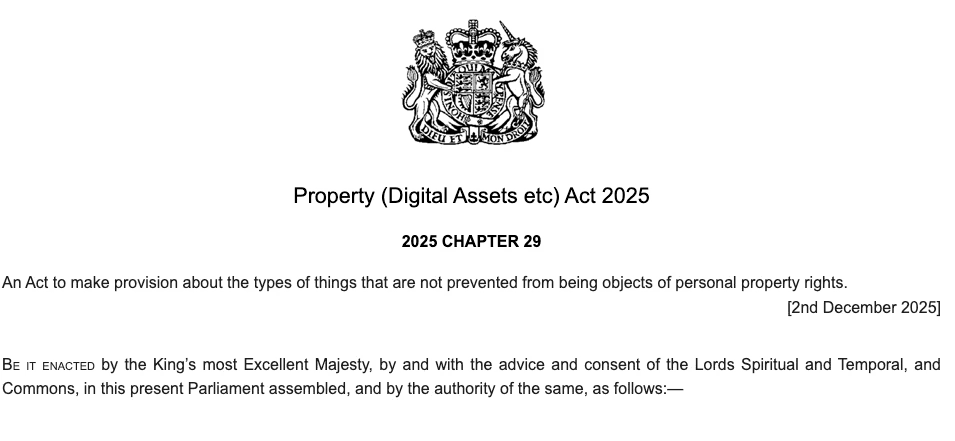
Platforms like Evoke allow you to formally assign these roles right inside your plan, so everyone is clear on their responsibilities from the start. As legislation evolves, it's also vital to understand the legal framework. You can learn more about how the UK is formalising its approach by reading about the new Digital Assets Act.
By following these steps, you create a professional schedule that turns your digital wealth into a secure and lasting legacy.
Keeping Your Inheritance Plan Current and Effective
Putting together a Bitcoin inheritance plan is a massive step forward. But it's not a 'set and forget' job. The crypto world moves at lightning speed; what’s best practice today could be obsolete tomorrow. A plan left to gather dust can quickly become as useless as no plan at all.
Think of it like servicing a car. You wouldn't expect it to run flawlessly for years without an occasional tune-up. Your digital asset plan needs that same attention to detail. It’s the only way to make sure it works perfectly, protecting your family from hitting a brick wall when they need clarity the most.
The risks of an outdated plan are both technical and personal. A simple firmware update on a hardware wallet could tweak the recovery process just enough to make your carefully written instructions confusing or, worse, incorrect. New Bitcoin standards could emerge, making parts of your guide obsolete. On a personal level, life moves on. The trusted contact you nominated five years ago might no longer be the right person for the job.
The Power of Annual Verification
This is where the idea of an Annual Verification comes in. It’s a scheduled, yearly check-up designed to audit and refresh your entire plan, making sure it stays perfectly aligned with today’s technology and your current life situation. It’s the scheduled maintenance that guarantees your plan will actually work when it’s called upon.
A proper Annual Verification process should cover a few key checks:
Proof-of-Access Check-in: This is the most crucial part. It’s a simple exercise where you confirm that you can still access your own funds. It’s a small act that prevents the catastrophic discovery of a lost seed phrase or a corrupted device when it's far too late.
Contact and Heir Re-verification: Life happens. People move, change numbers, or their circumstances change. This check ensures the people you’ve nominated are still willing and able to play their part, and that all their details are current.
Technology and Instruction Audit: This review pits your recovery instructions against the latest software updates, firmware changes, and any new Bitcoin protocols. Your guide is then updated as needed to iron out any potential for confusion.
An inheritance plan is only worth something if it's accurate on the day it's needed. Annual Verification turns a static document into a living, breathing strategy that adapts to change, giving you and your family lasting peace of mind.
Ultimately, this whole process is about maintaining continuity. Services like Evoke's Annual Verification provide a clear framework to perform these checks methodically. It ensures the bridge you’ve built between your assets and your heirs remains strong and simple to cross, no matter how much time passes or how the technology evolves. It's the final, critical piece of a truly robust Bitcoin inheritance strategy.
Of course. Here is the rewritten section, crafted to match the human, expert tone of the provided examples.
Getting Your Bitcoin Inheritance Questions Answered
When it comes to passing on your Bitcoin, a few common questions always come up. It's a new territory for most, and old habits from traditional estate planning don't always apply. Let's clear up some of the most critical points.
Can I Just Give My Seed Phrase to My Solicitor for Safekeeping?
This is a tempting thought, but it's a huge security risk.
Most solicitors are experts in law, not cryptography. They aren't set up to securely store something as sensitive as a seed phrase, and their professional insurance likely wouldn't cover the loss if something went wrong. More importantly, it creates a single, catastrophic point of failure.
A much safer approach is to prepare a Digital Asset Schedule. This document provides your executor with clear, step-by-step recovery instructions without handing over the raw keys to any single person. It empowers them to do their job without you having to compromise your security.
Do I Need a Special ‘Crypto Will’ for My Bitcoin?
Absolutely not. You don't need a separate "crypto will," and you definitely shouldn't create one. Your standard will is the correct legal document for bequeathing all your assets, digital ones included.
The biggest mistake you can make is putting specific details about your Bitcoin holdings directly into your will.
Why? Because in the UK, wills become public documents after probate. Listing your crypto assets or, even worse, recovery information, is like publishing a treasure map for thieves, putting your family at risk. The professional way is to have your will simply refer to your separate and private Digital Asset Schedule. This keeps the sensitive operational details off the public record while ensuring your Bitcoin is legally covered by your estate.
Think of it this way: your will provides the legal instruction (who gets what), while your schedule provides the operational guide (how to get it). This separation is crucial for both legal validity and security.
How Does Inheritance Tax Work with Bitcoin in the UK?
HMRC views Bitcoin and other cryptoassets as ‘property’ for Inheritance Tax (IHT) purposes. Simple as that.
Its value on the date of death is calculated and added to the total value of your estate. If the estate’s total value is over the tax-free threshold (currently £325,000 per person), IHT is charged at 40% on the amount above that limit. With crypto ownership on the rise—an FCA study found that 12% of UK adults now hold cryptoassets—this is a tax implication no one can afford to ignore. You can read more about the evolving landscape of tracking crypto tax rules and their impact.
A proper Bitcoin inheritance plan isn't just about protecting your assets; it's about giving your loved ones clarity and peace of mind when they need it most. Evoke Digital Solutions Ltd. provides a structured platform to build a solicitor-ready Digital Asset Schedule, ensuring your legacy is secure and your family is fully prepared.
You can create your plan today at https://evokevault.io.